




A market analysis viewed almost 5 million times on X states that Bitcoin derivatives have turned the cryptocurrency’s 21-million-supply cap into a “theoretically infinite” one.
Past Bitcoin (BTC) falls had a clear catalyst, but sharp drops in the opening months of 2026 have sparked several theories, ranging from digital asset treasuries (DATs) blowing up under pressure to a lingering hangover from October’s mass liquidation cascade.
Robert Kendall, author of “The Kendall Report,” claimed he cracked it in his viral X post. He argued that Bitcoin’s valuation logic based on fixed supply “died” once cash-settled futures, exchange-traded funds (ETFs) and other financial instruments were layered on top of the asset.
However, executives and researchers across the digital asset industry rejected Kendall’s analysis. Several told Cointelegraph that leverage affects price dynamics without changing Bitcoin’s underlying supply.
Harriet Browning, vice president of sales at institutional staking company Twinstake, told Cointelegraph, “When institutions allocate via ETFs and DATs, they are not diluting scarcity, as there will still only ever be 21 million. They are not minting new Bitcoin.”
“Instead, they are putting Bitcoin into the hands of long-term institutional holders who deeply understand its value proposition, not speculative traders looking for a quick exit,” she added.
Scarcity, lost coins and the question of effective float
When Bitcoin was first introduced to the world, the only way to acquire it was to buy it from other enthusiasts, mine it or trade it for pizza. Soon, crypto exchanges became available and opened retail access to the spot market.
In 2026, investors can also gain exposure through financial products built on spot crypto. To put it simply, Bitcoin now has a paper market of its own. However, skeptics of Kendall’s analysis said that a paper market does not damage Bitcoin’s scarcity.
“Gold has a massive paper market in futures, ETFs and unallocated accounts that dwarfs physical supply, yet nobody argues gold isn’t scarce. Paper claims don’t change the amount of gold in the ground, and the same logic applies to Bitcoin,” Luke Nolan, a senior research associate at CoinShares, told Cointelegraph.
Bitcoin is often compared to gold for similarities like headlining the internet generation’s own gold rush, being a store of value and being a hedge against currency debasement. It is also programmed to a hard supply cap that doesn’t fluctuate even when investment products are built on top of it, much like a gold bar wouldn’t magically sprout out of its own derivatives.
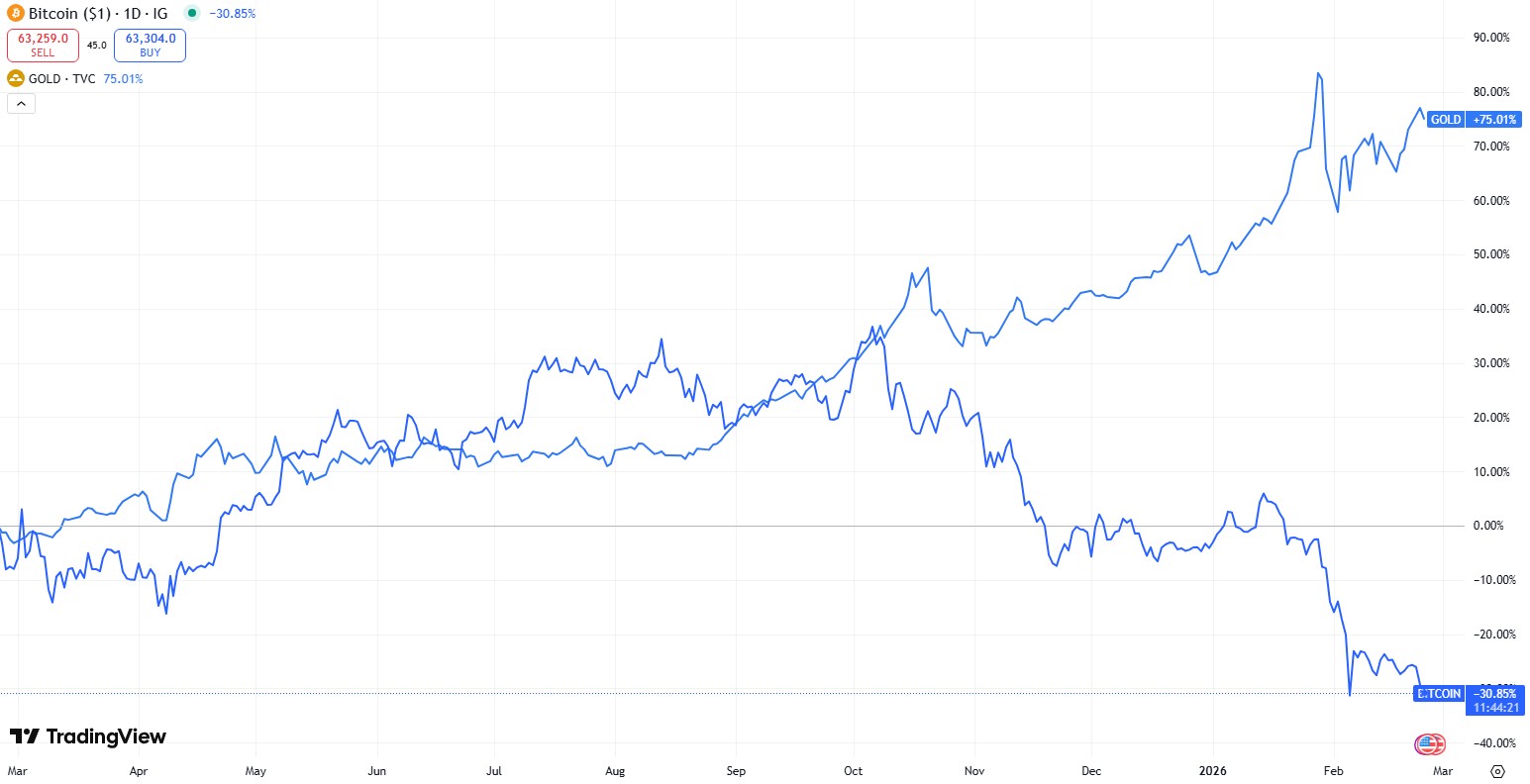
Like precious metals, new Bitcoin enters the market through a process called mining. Instead of digging the earth, the system rewards those who verify transactions on the blockchain about every 10 minutes. Those rewards are sliced in half every four years, so Bitcoin’s supply growth slows over time, along with the amount of virgin Bitcoin entering the economy.
As of February, about 19.99 million BTC has been mined, though Nolan calls this metric misleading, as not all of these coins are available for investors. Users can lose their passwords or take them to their graves. Up to 4 million coins are estimated to be permanently lost.
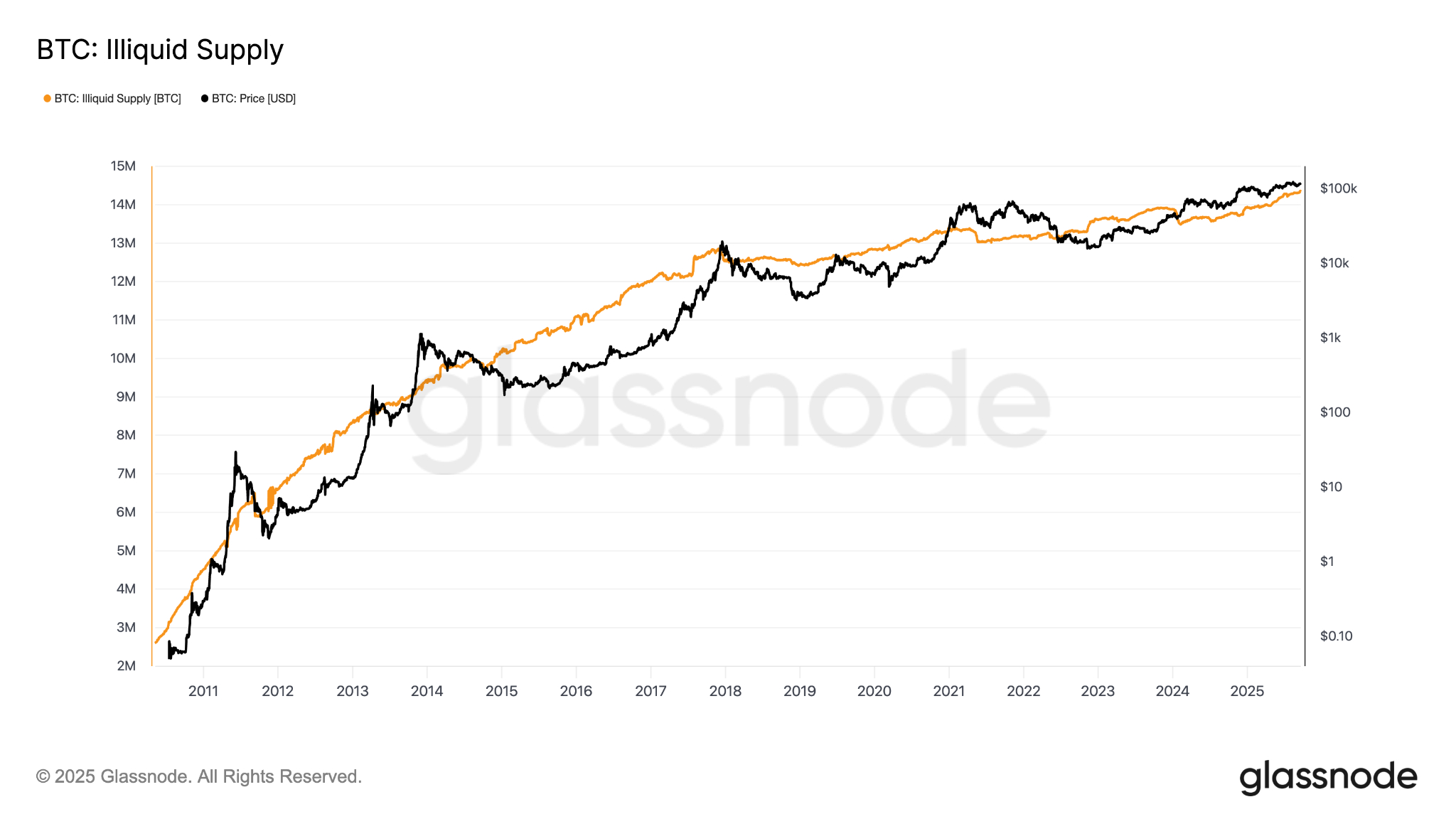
With more spot Bitcoin becoming inaccessible, Nolan claimed that the institutional access layer actually reinforces Bitcoin’s scarcity.
“Spot ETFs require physical BTC to be held in custody, and in 2025 alone, combined ETF and corporate treasury holdings grew significantly. That is real supply being pulled off the market,” he said.
Related: Are quantum-proof Bitcoin wallets insurance or a fear tax?
Bitcoin’s shift to derivatives-led price formation
Even critics of Kendall’s supply argument acknowledge that Bitcoin’s short-term price discovery now leans heavily on instruments tied to institutional markets.
Derivative activity has increasingly shifted to traditional finance venues. CME futures overtook Binance in BTC futures open interest in late 2023, although Binance recently regained the lead.
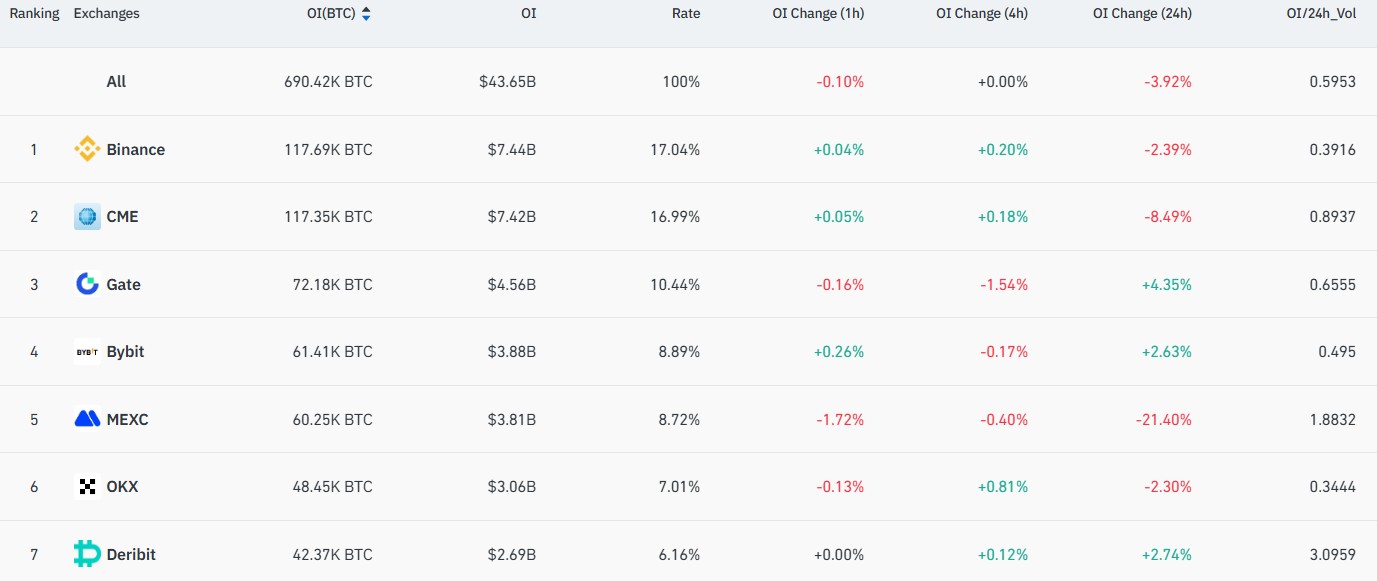
“Derivatives markets have become the primary venue for expressing institutional views on Bitcoin, and as a result, they now play a central role in spot price discovery,” said Browning.
Browning added that derivatives and ETFs influence Bitcoin’s spot price through three main transmission channels.
First, markets like CME influence short-term price discovery because institutional traders express their bullish or bearish views in futures before the spot market. When futures prices diverge from spot prices, traders opt for arbitrage strategies, such as basis trades, to close the gap. According to Browning, hedge funds routinely buy spot Bitcoin or its ETFs while shorting CME futures to capture the premium between the two.
Second, when banks sell Bitcoin-linked notes to clients, they typically hedge their exposure by buying Bitcoin through ETFs, effectively creating more spot demand.
Related: Banks can’t seem to service crypto, even as it goes mainstream
Third, crypto-native perpetual futures can spill over into the spot market through funding-rate arbitrage. When funding rates are positive, heavy long positioning encourages traders to buy spot Bitcoin and short futures to earn funding payments, adding spot demand. When funding turns negative, that flow can reverse and pressure the price.
“Today, derivatives volumes frequently exceed spot volumes, and many institutional participants prefer derivatives, alongside ETFs, for capital efficiency, hedging and short exposure,” Browning said.
“Spot markets increasingly serve as the settlement and inventory layer, while derivatives increasingly influence marginal price discovery, and new price levels are negotiated.”
Derivatives don’t delete Bitcoin’s scarcity from the blockchain
The rise of Bitcoin’s paper market means investors no longer have to directly hold BTC to gain exposure.
Futures and perpetual contracts allow investors to express bullish or bearish views, hedge risk or deploy leverage. Similar derivatives have long existed in commodities markets without altering the physical amount of gold, oil or other assets in circulation.
Nima Beni, founder of crypto leasing platform BitLease, told Cointelegraph:
“The premise that synthetic exposure destroys scarcity is as flawed as a misapplied commodity-market analogy used about paper gold. It was wrong then; it’s wrong now.”
Kendall defended his position after Bitcoiners equipped with their own arguments flooded his viral post.
“I’m not arguing [derivatives] ‘delete’ scarcity from the blockchain. What I’m saying is they shift where marginal price is set,” he said.
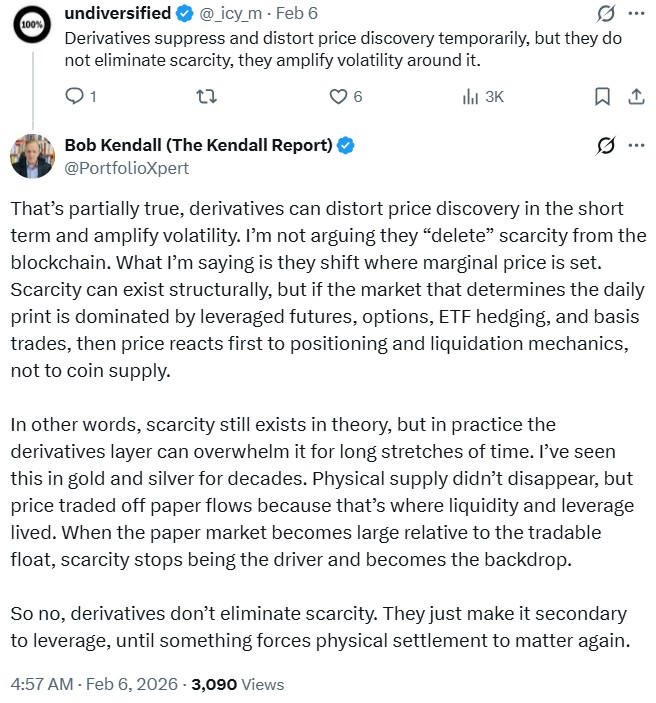
Bitcoin’s 21-million cap remains unchanged in code. No derivative contract, ETF or structured product can mint new coins beyond that limit. But what has evolved around Bitcoin is price discovery.
Derivatives increasingly shape marginal price formation before flows filter back into spot. That alters how and where Bitcoin’s value is negotiated.
Both Kendall and his critics ultimately agree on that point.
Magazine: Bitcoin may take 7 years to upgrade to post-quantum: BIP-360 co-author
Cointelegraph Features and Cointelegraph Magazine publish long-form journalism, analysis and narrative reporting produced by Cointelegraph’s in-house editorial team and selected external contributors with subject-matter expertise. All articles are edited and reviewed by Cointelegraph editors in line with our editorial standards. Contributions from external writers are commissioned for their experience, research or perspective and do not reflect the views of Cointelegraph as a company unless explicitly stated. Content published in Features and Magazine does not constitute financial, legal or investment advice. Readers should conduct their own research and consult qualified professionals where appropriate. Cointelegraph maintains full editorial independence. The selection, commissioning and publication of Features and Magazine content are not influenced by advertisers, partners or commercial relationships.
Read the full article here